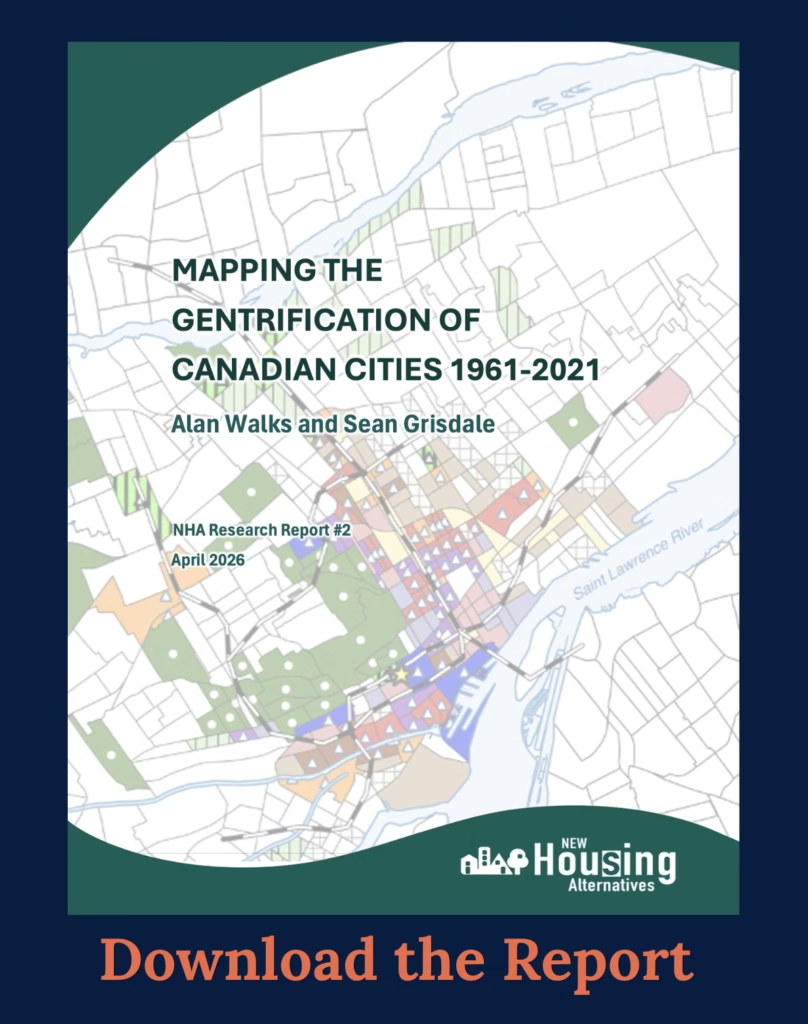
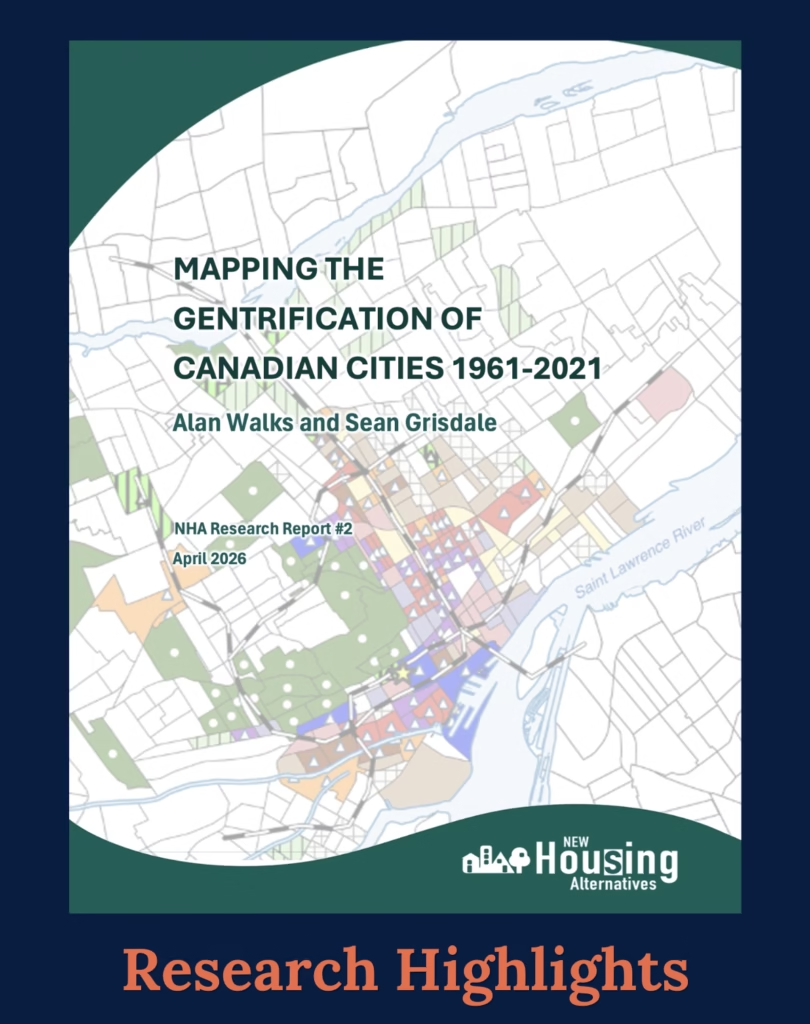
Gentrification has continued advancing across Canada’s major cities, pricing lower-income households out of a growing number of neighborhoods.
The report maps the spread of gentrification across the inner-city of Toronto, Montreal, Vancouver, Calgary, Ottawa, Edmonton, Winnipeg, Quebec City, Hamilton, Halifax, and Victoria. It tracks gentrification in census tracts via changes in three variables: income and social status, rents and housing values, and housing tenure. It documents an alarming rise in the number of neighborhoods that are gentrifying and in the number that have fully gentrified.
City by city, the report reveals where and in which decades gentrification began and how it is deepening and spreading across the inner-city landscape.
Key Takeaways:
- The number of neighborhoods that are gentrifying has expanded dramatically from 2001 to 2021. The number of gentrifying census tracts rose in every metro area studied, including in: Toronto (85 to 146); Montreal (105 to 158), and; Vancouver (18 to 53). In Canada’s mid-sized cities, gentrification is shown to be a more recent but growing phenomenon, increasingly pricing out lower-income households.
- Gentrification has now spread across the majority of the inner-city of all three of Canada’s largest metro areas. The five cities where gentrification has spread farthest are: Toronto, where 61% of the inner-city census tracts are gentrifying; Calgary (57%); Montreal (52%); Vancouver (51%); Victoria (46%).
- The number of neighborhoods that have fully gentrified has grown substantially from 2001 to 2021, rising in: Toronto (40 to 65); Montreal (29 to 79); and Vancouver (12 to 32).
You can download the full report here and read the illustrated research highlights here.