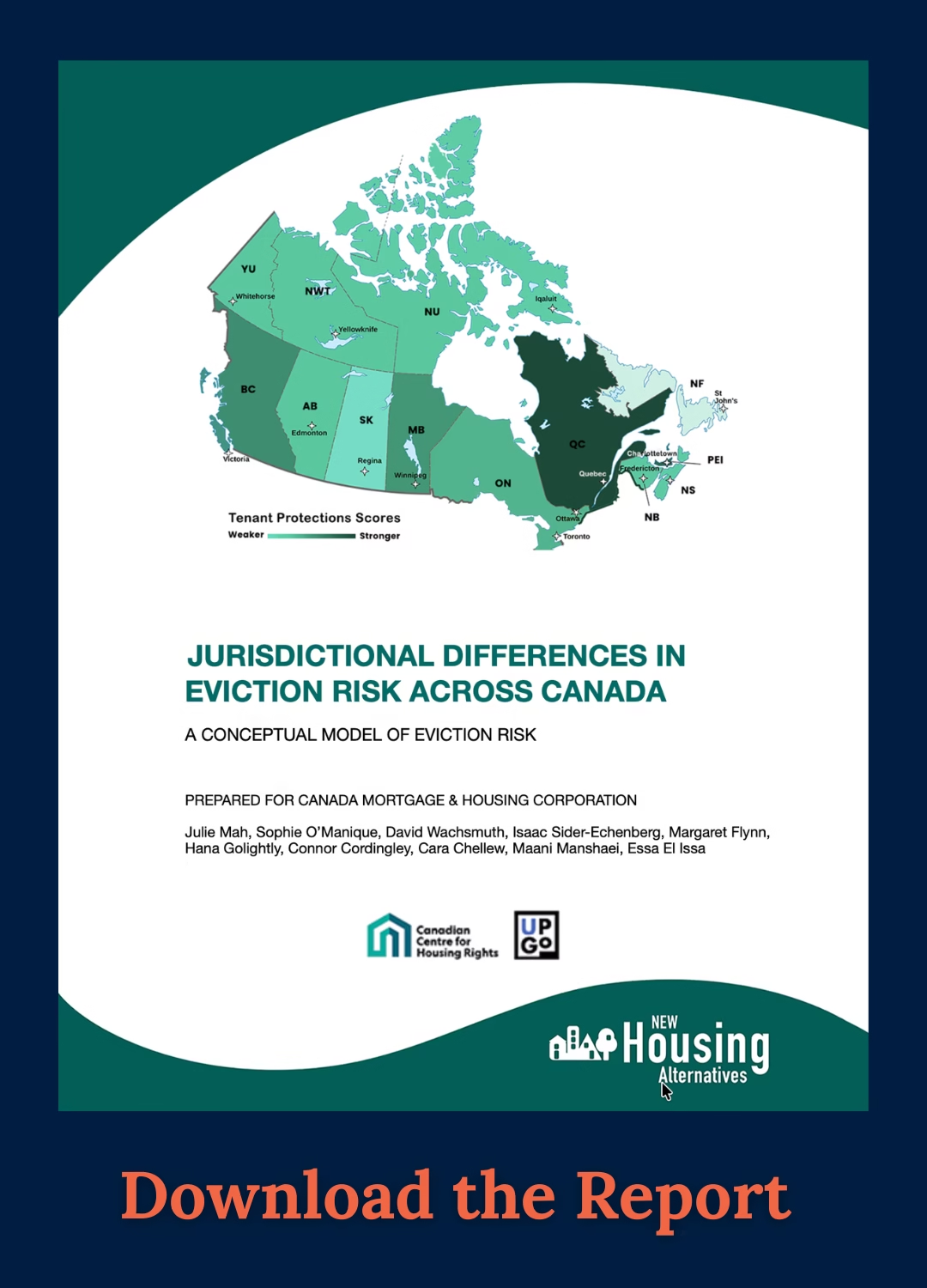
Across Canada, there are stark differences in the strength of tenant protections and the risk of being evicted
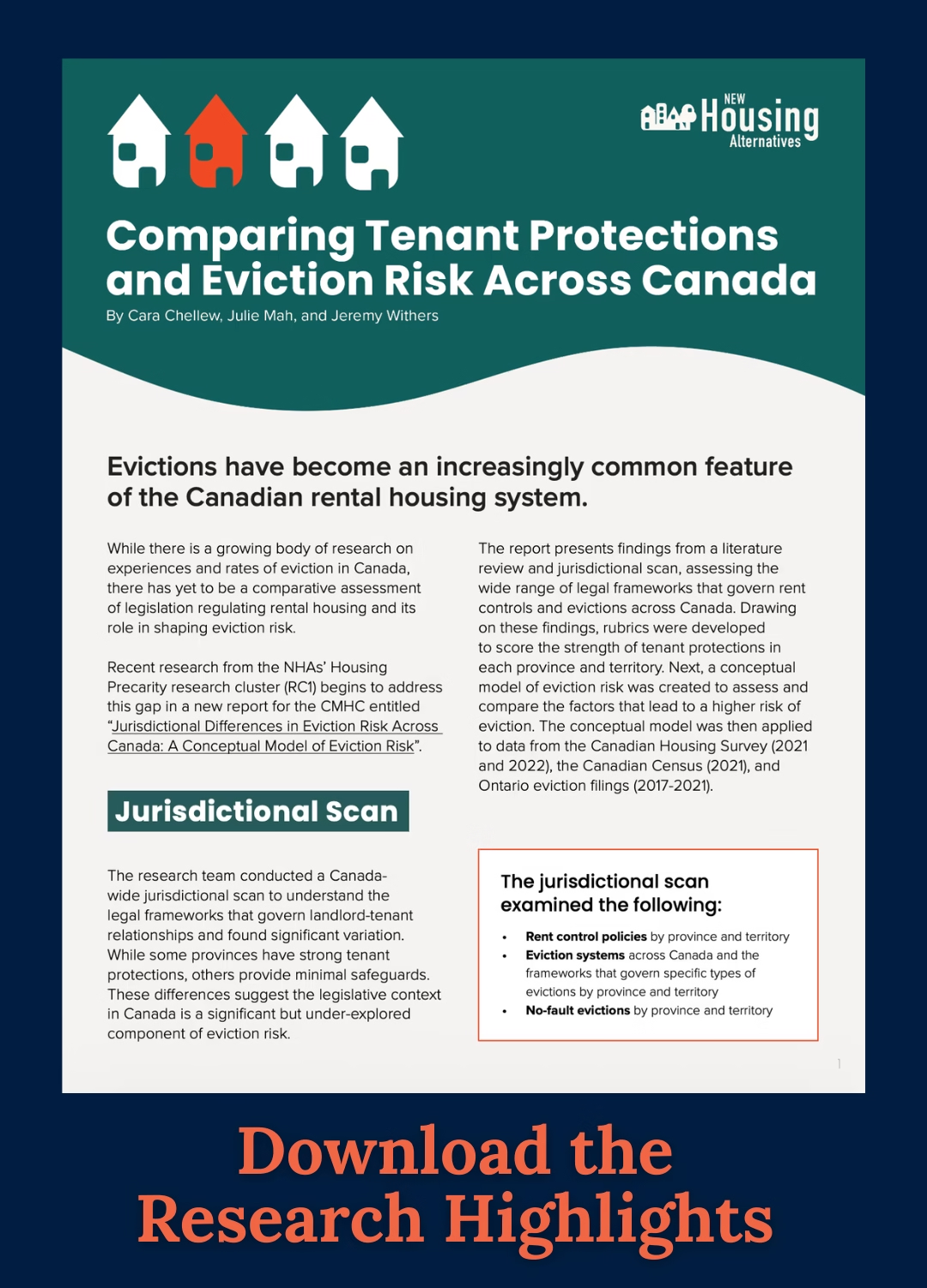
The report presents findings from a literature review and jurisdictional scan, comparing the wide range of legal frameworks that govern rent controls and evictions across Canada. Rubrics were developed to assess the strength of tenant protections in each province and territory. The report also develops a conceptual model of eviction risk to provide insight into the types of households and communities that are most at risk of eviction.
Key Takeaways:
- The Strength of Tenant Protections is Highly Uneven Across Canada: Provincial and territorial frameworks governing residential tenancies differ substantially in their protections for tenants.
- Rent Controls Could Be Strengthened Across the Country: Almost half of Canada’s provinces and territories have no rent controls at all. Those that do are often riddled with exemptions, eroding stability for tenants. In many Provinces, a growing share of units are exempted, and tenants increasingly face above-guideline rent increases. In many of these provinces, rent increases are not regulated in-between tenancies, creating incentives for landlords to evict longstanding tenants.
- Protections for Tenants Facing No-Fault Evictions Differ Substantially: Quebec and British Columbia are found to provide tenants the strongest protections(at least in writing) in eviction cases due to renovation, demolition, and conversion. They also provide the strongest protections in cases of landlords claiming to repossess units for own-use or sale. Key to their higher scores are policies such as minimum compensation for tenants, proactive safeguards against bad-faith evictions, and stronger procedural requirements for filing evictions.